

Back pain and joint pain can stop you in your tracks. Whether it’s a stiff lower back, aching knee, sore shoulder, or hip pain that won’t quit, many people ask the same thing: Do I need a scan?
The short answer: not always.
In many cases, pain improves with time, movement therapy, chiropractic care, and conservative treatment. But sometimes, advanced imaging such as MRI or CT scans can help uncover the real cause and guide treatment decisions.
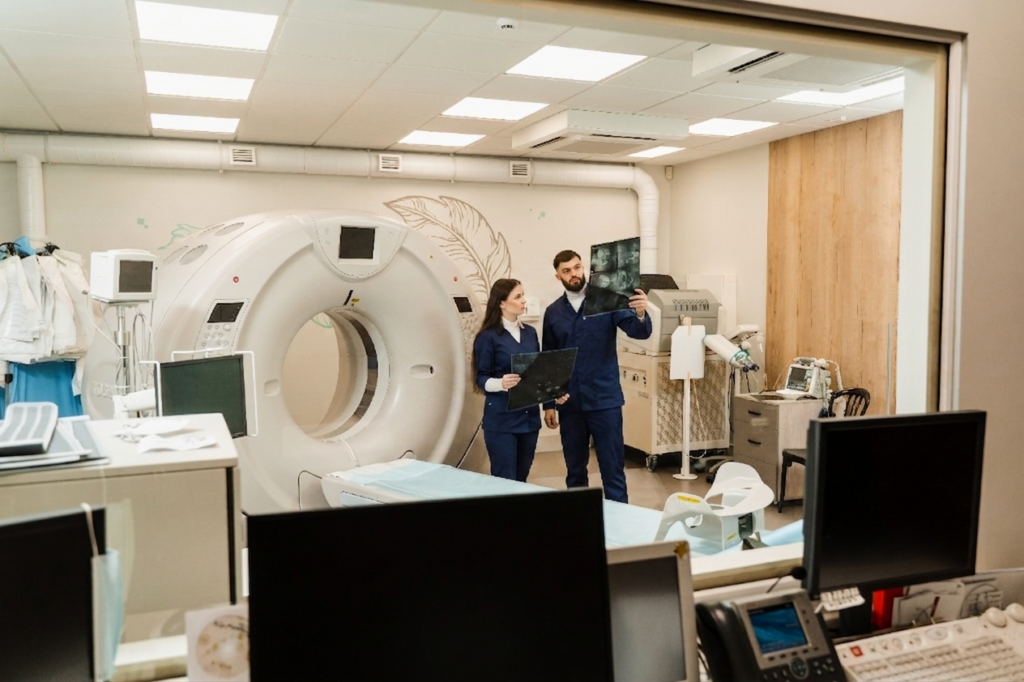
At Lex 4 Health, we focus on results driven care that starts with a thorough clinical evaluation. When needed, we can help patients understand the next steps, including referrals to a trusted diagnostic imaging medical center, for appropriate testing.
Key Takeaways
- Most new back pain does not need immediate imaging.
- MRI is often best for discs, nerves, ligaments, cartilage, and soft tissue injuries.
- X-rays are useful for fractures, alignment issues, and arthritis changes.
- CT scans are commonly used for trauma, complex bone issues, or when MRI is not possible.
- Red flag symptoms like weakness, numbness, fever, or loss of bladder control need urgent medical evaluation.
- The right scan depends on symptoms, duration, exam findings, and medical history.
Why Imaging Is Not Always the First Step
Many people assume pain automatically means damage that needs a scan. Truth is, that’s not always how the body works.
Studies and clinical guidelines show many episodes of acute low back pain improve within a few weeks with conservative care. Imaging too early can reveal age related changes that may look alarming but are common, even in people without pain.
That means getting a scan too soon may create confusion instead of answers.
A better first step usually includes:
- Health history review
- Movement assessment
- Orthopedic and neurological testing
- Pain pattern analysis
- Trial of conservative treatment
When to Get MRI for Back Pain
You May Need an MRI If:
1. Pain Lasts between 6 to 12 Weeks
If your back pain is not improving after appropriate treatment, an MRI may help identify persistent causes like disc herniation or stenosis.2. Pain Travels Down the Leg
Sciatica, burning pain, tingling, numbness, or weakness into the leg may suggest nerve irritation or compression.3. Progressive Weakness or Numbness
If strength is decreasing, balance is worsening, or sensation is changing, imaging may be urgent.4. Suspected Disc Injury
A herniated disc or bulging disc often shows more clearly on MRI than X-ray.5. Before Injections or Surgery
MRI is commonly ordered when planning spinal injections or surgical care.That means diagnostic imaging accuracy improves when the scan matches the suspected problem.
Red Flag Symptoms: Seek Immediate Care
Do not wait if back pain comes with:
- Loss of bladder or bowel control
- Saddle numbness
- Severe leg weakness
- Fever with back pain
- Unexplained weight loss
- History of cancer
- Major fall or accident
- Night pain that is severe or worsening
These symptoms may signal serious conditions needing urgent evaluation.
Do I Need a CT Scan for Back Pain?
CT scans use X-rays to create detailed cross sectional images. They are especially useful for bones.
CT May Be Recommended If:
- Suspected spinal fracture after trauma
- Complex arthritis or bony narrowing
- Surgical planning
- MRI cannot be done because of certain implants or severe claustrophobia
- Emergency room injury evaluation
CT is excellent for bone detail, but it uses radiation and is less ideal than MRI for soft tissue structures.
MRI vs X-ray for Joint Pain
Many patients ask about MRI vs X-ray for joint pain. Both have value, but they answer different questions.
Why Chiropractic Providers Often Review Imaging Carefully
| Imaging Type | Best For | Limitations |
|---|---|---|
| X-ray | Fractures, arthritis, alignment, joint space narrowing | Very FastCannot show soft tissues well |
| MRI | Cartilage, meniscus, labrum, tendons, ligaments, inflammation | More expensive, longer scan time |
| CT Scan | Bone detail, fractures, surgical planning | Radiation exposure |
Example Uses
- Knee pain after twisting injury: MRI may show meniscus or ligament tear
- Chronic hip stiffness: X-ray often first step for arthritis
- Shoulder weakness: MRI may help identify rotator cuff injury
- Ankle fracture concern: X-ray first, CT if fracture detail needed
Imaging for Joint Pain Diagnosis: When Is It Helpful?
Advanced imaging for joint pain diagnosis becomes useful when symptoms persist or function declines.
Consider imaging when:
- Pain lasts beyond several weeks
- Swelling keeps returning
- Locking, catching, or instability occurs
- Reduced range of motion worsens
- Prior injury never fully healed
- Conservative treatment has failed
- Surgery is being considered
What Happens Before Imaging at Lex 4 Health
At Lex 4 Health, we do not jump straight to scans. We begin with a careful functional evaluation.
That may include:
- Posture and gait analysis
- Range of motion testing
- Joint mechanics assessment
- Neurological screening
- Strength and mobility testing
- Personalized care planning
If imaging is appropriate, we help guide the process so you’re not guessing in the dark.
Why the Right Diagnosis Matters
Treating pain without understanding the source can waste time and money.
For example:
- Disc irritation needs a different approach than facet joint pain
- Knee arthritis differs from meniscus injury
- Shoulder impingement differs from rotator cuff tearing
The goal is not “get a scan for everything.” The goal is get the right scan at the right time.
FAQs
Usually when symptoms last more than 4 to 6 weeks, worsen, radiate down the leg, or include weakness or numbness.
Possibly. CT is commonly used after trauma to check for fractures or structural damage.
For soft tissue injuries, yes. For fractures or arthritis screening, X-ray is often the first step.
No. Many episodes improve without imaging, especially when no red flags are present.
Conclusion
Back or joint pain can be frustrating, but more imaging is not always better. What matters most is a smart evaluation, proper timing, and matching the test to the problem.
If you’re unsure whether you need an MRI, CT, or X-ray, Lex 4 Health can help assess your condition and guide you toward the most effective next step, whether that means treatment in clinic or referral to a trusted diagnostic imaging medical center.
Ready to move better and feel better? Schedule an evaluation with Lex 4 Health today.
Each of our team member brings specialized expertise and a patient-centered approach to ensure you receive the highest level of care.