

When it comes to protecting your long-term health, timing matters. Many serious illnesses begin quietly, with few or no symptoms. That’s where early detection with diagnostic imaging can make a real difference. Imaging tools help doctors look inside the body, identify hidden problems, and guide treatment before conditions worsen.
At Lex 4 Health, we believe prevention and proactive care go hand in hand. If you’re looking for trusted support and advanced wellness guidance, our Chicago imaging center, resources can help you take the next step toward better health.
Key Takeaways
- Diagnostic imaging helps detect diseases before symptoms become severe.
- Early diagnosis often means simpler treatment and better outcomes.
- MRI, CT, ultrasound, and X-rays each serve different purposes.
- Imaging can identify cancer, fractures, joint issues, nerve problems, and organ disease.
- Preventive care combined with expert evaluation supports long-term wellness.
Why Early Detection Matters
Many serious conditions develop slowly over time. Heart disease, arthritis, tumors, spinal problems, and organ disorders may not cause noticeable symptoms at first. By the time pain or dysfunction appears, the issue may already be advanced.
That’s why the benefits of early diagnosis imaging are so important. Catching problems sooner can help:
- Start treatment earlier
- Reduce complications
- Prevent permanent damage
- Lower healthcare costs over time
- Improve recovery rates
- Give patients more treatment options
Simply put, finding a problem early often changes the whole outcome.
What Is Diagnostic Imaging?
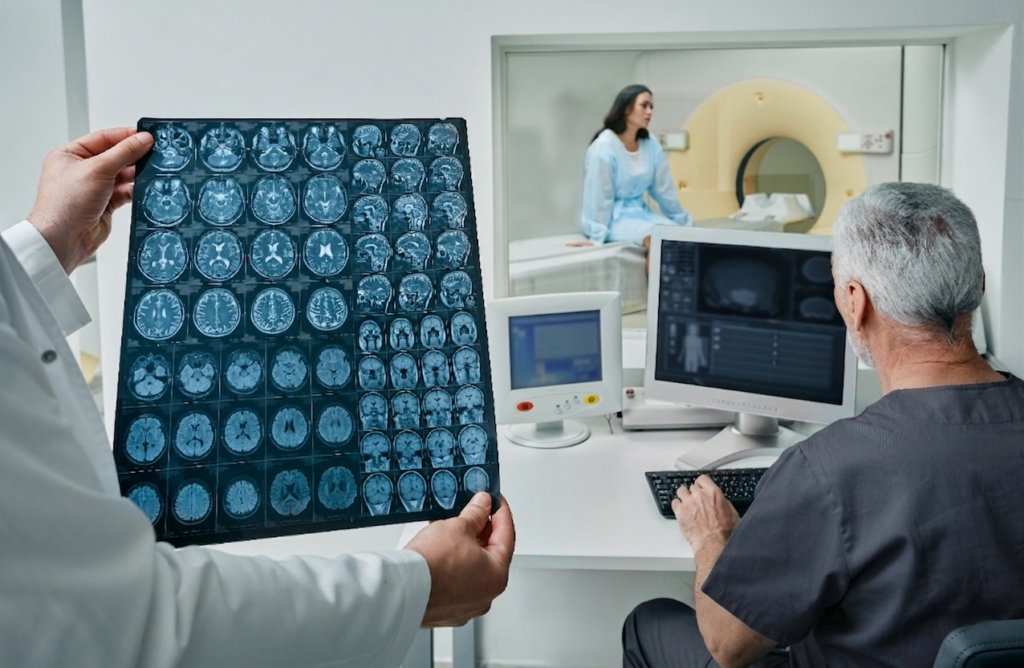
Diagnostic imaging uses advanced technology to create pictures of structures inside the body. These images help providers understand what’s happening beneath the surface.
Common imaging tools include:
X-rays
Best for viewing bones, fractures, arthritis changes, and some lung conditions.
MRI (Magnetic Resonance Imaging)
Uses magnetic fields and radio waves to create detailed images of soft tissues, discs, nerves, ligaments, and organs.
CT Scan
Combines X-rays with computer imaging to create cross-sectional views of the body. Often used in emergencies and internal evaluations.
Ultrasound
Uses sound waves to view soft tissues, pregnancy development, blood flow, and abdominal organs.
Each tool has a purpose, and the right choice depends on symptoms, history, and clinical findings.
Can Imaging Detect Cancer Early?
One of the most common questions patients ask is: can imaging detect cancer early?
In many cases, yes. Imaging often plays a major role in spotting suspicious growths before they spread or cause symptoms.
Examples include:
- Mammograms for early breast cancer detection
- Low-dose CT scans is typically recommended for long-term smokers aged 50 and older
- MRI for certain brain, spine, liver, and soft tissue tumors
- Ultrasound for thyroid, pelvic, or abdominal masses
- CT imaging for internal organ concerns
It’s important to note that imaging does not always confirm cancer on its own. However, it can detect warning signs early enough for further testing and timely treatment.
That can be a game changer.
MRI for Early Disease Detection
When soft tissue detail matters, MRI for early disease detection is one of the most powerful tools available.
MRI can help identify:
- Herniated discs
- Ligament tears
- Early joint degeneration
- Nerve compression
- Brain abnormalities
- Inflammation
- Certain tumors
- Spinal cord conditions
Because MRI does not use ionizing radiation, it is often preferred in many situations where repeated monitoring may be needed.
For chiropractic and musculoskeletal care, MRI is especially valuable when pain, numbness, weakness, or unexplained symptoms persist.
How Imaging Supports Chiropractic Care
At Lex 4 Health, chiropractic care focuses on restoring movement, improving function, and helping patients heal naturally. Imaging can support that process by revealing underlying issues that may affect treatment planning.
Examples include:
- Disc injuries causing back pain
- Degenerative joint changes
- Structural alignment concerns
- Old injuries
- Hidden fractures
- Nerve involvement
Instead of guessing, imaging gives clarity. That means safer, smarter, and more personalized care.
Who Should Consider Diagnostic Imaging?
Imaging may be recommended if you have:
- Persistent neck or back pain
- Numbness or tingling
- Headaches with new symptoms
- Limited mobility
- Joint pain that won’t improve
- History of injury
- Family history of serious disease
- Unexplained swelling or weakness
Not everyone needs imaging right away. A qualified provider can determine when it’s appropriate and when conservative care should begin first.
Risks and Limitations to Know
Imaging is valuable, but it should be used wisely.
A few important points:
- Some tests use radiation, such as X-rays and CT scans
- MRI may not be suitable for certain implanted devices
- Not every abnormality causes symptoms
- Imaging should always be interpreted with your exam and history
That’s why clinical judgment matters just as much as technology.
How to Improve Your Chances of Early Detection
Want to stay ahead of health problems? Here are practical steps:
- Don’t ignore persistent symptoms
- Get regular checkups
- Discuss family history with your provider
- Follow screening recommendations by age and risk
- Seek evaluation early after injuries
- Address pain before it becomes chronic
A small issue caught early can prevent a much bigger issue later.
FAQs
It means using scans like MRI, X-ray, CT, or ultrasound to identify disease or injury before symptoms become severe.
Yes, imaging can often identify suspicious masses or tissue changes early, allowing faster follow-up and treatment.
They serve different purposes. X-rays are excellent for bones, while MRI is better for soft tissues, discs, nerves, and ligaments.
Not always. Many cases improve with conservative care, but persistent pain, trauma, weakness, or nerve symptoms may require imaging.
Most imaging is safe when medically appropriate. Your provider chooses the best option based on benefits and risks.
Conclusion
Serious health conditions often start silently, but they don’t have to stay hidden. Early detection with diagnostic imaging helps uncover problems sooner, improves treatment decisions, and supports better long-term outcomes.
At Lex 4 Health, we combine science-based chiropractic care with personalized treatment strategies designed around your needs. If pain, mobility issues, or unresolved symptoms are holding you back, explore our chicago imaging center resources and take the first step toward feeling like yourself again.
Each of our team member brings specialized expertise and a patient-centered approach to ensure you receive the highest level of care.