

When it comes to understanding what is happening inside the human body, guesswork simply will not do. Modern healthcare relies heavily on advanced diagnostic imaging to see structures beneath the surface and identify the root cause of pain, injuries, and disease.
At Lex 4 Health, our goal is to help patients regain control of their health with science based care that focuses on function, movement, and long term wellness. In many cases, advanced imaging plays an important role in identifying structural issues before designing a treatment plan. Patients searching for an Imaging center chicago often want answers about their symptoms, and diagnostic imaging provides the clarity needed to move forward with the right care.
So, what exactly is advanced diagnostic imaging, and how does it help doctors diagnose diseases with such precision? Let us break it down.
Key Takeaways
- Advanced diagnostic imaging allows doctors to view internal body structures without surgery.
- Several types of medical imaging tests exist, including MRI, CT scans, ultrasound, and X rays.
- These technologies help detect injuries, inflammation, tumors, and structural abnormalities.
- Diagnostic imaging technology improves diagnostic accuracy and treatment planning.
- Doctors often recommend imaging when symptoms persist, worsen, or cannot be explained through physical examination alone.
What Is Advanced Diagnostic Imaging?
Advanced diagnostic imaging refers to medical technologies used to create detailed images of structures inside the body. These images help healthcare professionals identify injuries, diseases, and abnormalities that cannot be seen during a physical exam.
Simply put, imaging tests allow doctors to see what is going on internally, bones, muscles, organs, nerves, and tissues.
Healthcare providers rely on these tests to:
- Identify the source of pain
- Detect diseases early
- Monitor healing and recovery
- Plan treatments or surgeries
- Track the progress of ongoing conditions
Modern imaging technology has dramatically improved diagnostic accuracy. Instead of relying on symptoms alone, physicians can now analyze high resolution images that reveal the exact location and severity of a problem.

How Diagnostic Imaging Helps Doctors Diagnose Diseases
Medical professionals use diagnostic imaging as a powerful investigative tool. When symptoms alone are not enough to determine the cause of a health problem, imaging tests provide deeper insight.
Here is how diagnostic imaging helps doctors diagnose diseases.
Identifying Structural Problems
Many conditions stem from structural issues in the body. For example:
- Herniated discs
- Bone fractures
- Joint degeneration
- Spinal misalignment
Imaging allows doctors to visually confirm these issues and determine their severity.
Detecting Internal Injuries
Soft tissue injuries can be difficult to diagnose through physical exams alone. Imaging tests can reveal:
- Muscle tears
- Ligament injuries
- Tendon damage
- Internal bleeding
This information is essential when designing effective treatment plans.
Early Disease Detection
Advanced imaging can detect serious conditions before symptoms become severe, including:
- Tumors
- Infections
- Organ abnormalities
- Degenerative diseases
Early detection improves treatment outcomes and recovery chances.
Monitoring Treatment Progress
Doctors often use imaging during treatment to monitor progress. By comparing scans over time, healthcare providers can determine whether a treatment plan is working or if adjustments are necessary.
Types of Diagnostic Imaging
There are several types of diagnostic imaging technology used in modern healthcare. Each imaging method serves a unique purpose and provides different types of information.
X Ray Imaging
X rays are one of the most common and widely used medical imaging tests.
They are particularly useful for examining:
- Bone fractures
- Joint alignment
- Arthritis changes
- Lung conditions
X rays produce quick results and are often the first imaging test doctors order.
Magnetic Resonance Imaging (MRI)
MRI scans use powerful magnetic fields and radio waves to produce detailed images of soft tissues.
MRI is commonly used to examine:
- Brain structures
- Spinal cord
- Muscles and ligaments
- Herniated discs
- Joint injuries
Because MRI provides extremely detailed images, it is often recommended when doctors need a closer look at soft tissues.
CT Scan (Computed Tomography)
A CT scan combines multiple X ray images to create detailed cross sectional views of the body.
These scans are helpful for detecting:
- Internal injuries
- Tumors
- Organ damage
- Complex bone fractures
CT scans provide more detail than traditional X rays and are frequently used in emergency situations.
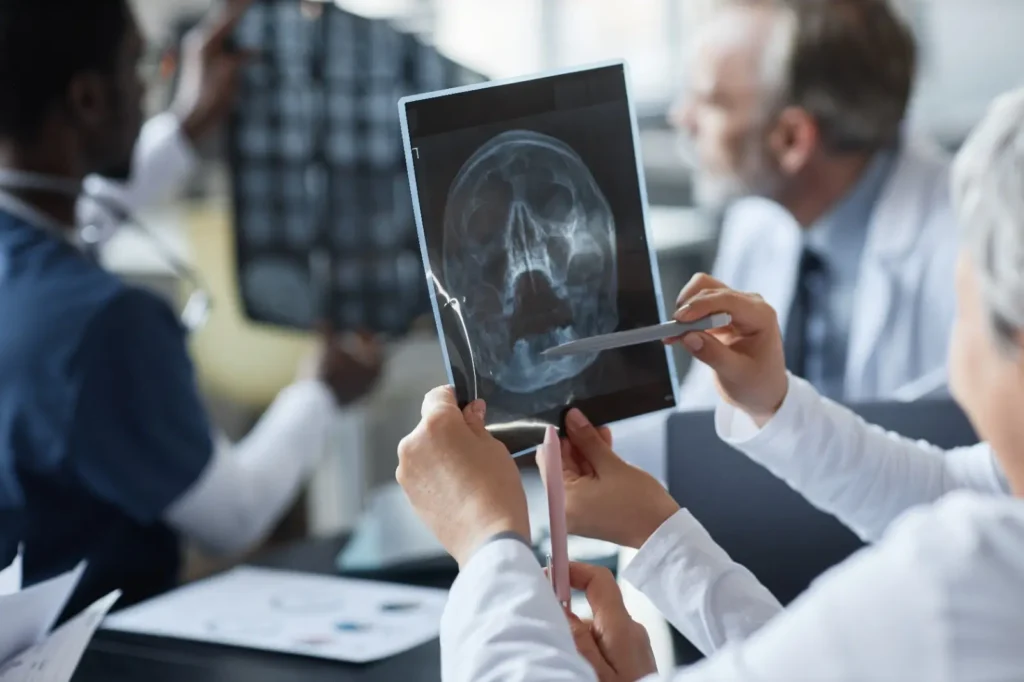
MRI vs CT Scan
Many patients wonder about the difference between an MRI and a CT scan. While both imaging tests are powerful diagnostic tools, they serve slightly different purposes.
MRI
- Best for soft tissue imaging
- Uses magnets and radio waves
- No radiation exposure
- Ideal for spine, brain, and ligament injuries
CT Scan
- Best for bone and internal injuries
- Uses X ray technology
- Faster imaging process
- Often used in emergency care
Doctors choose between these tests depending on the condition they are investigating.
Ultrasound Imaging
Ultrasound uses sound waves to create images of structures inside the body.
This imaging method is commonly used for:
- Monitoring pregnancy
- Examining organs such as the liver or kidneys
- Evaluating soft tissue injuries
- Detecting fluid buildup
Ultrasound is safe, non-invasive, and does not use radiation.
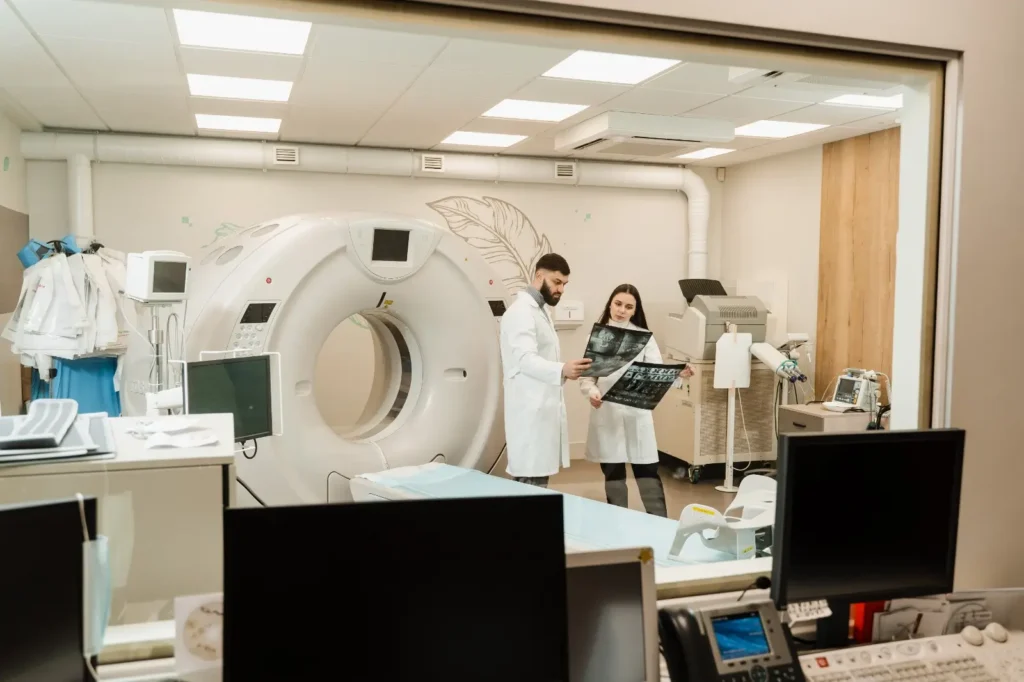
When Do You Need Diagnostic Imaging?
Persistent Pain
If pain lasts longer than expected, imaging may reveal underlying issues such as joint damage or nerve compression.Sports Injuries
Athletes often require imaging tests to diagnose ligament tears, fractures, or muscle injuries.Limited Mobility
When joints or muscles stop functioning normally, imaging can identify the structural cause.Suspected Internal Conditions
Imaging helps doctors evaluate organs, detect tumors, and identify infections or inflammation.Post Injury Evaluation
After accidents or trauma, imaging ensures that hidden injuries are not missed.Benefits of Diagnostic Imaging
Modern diagnostic imaging offers numerous advantages for both doctors and patients.
Accurate Diagnosis
Imaging allows doctors to confirm medical conditions with precision instead of relying on assumptions.
Early Detection
Many serious diseases can be detected early through imaging, improving treatment success.
Non Invasive Evaluation
Most imaging tests are painless and do not require surgery.
Better Treatment Planning
Detailed images help healthcare providers develop personalized treatment strategies.
Improved Patient Outcomes
Accurate diagnosis leads to faster recovery, better care, and fewer complications.
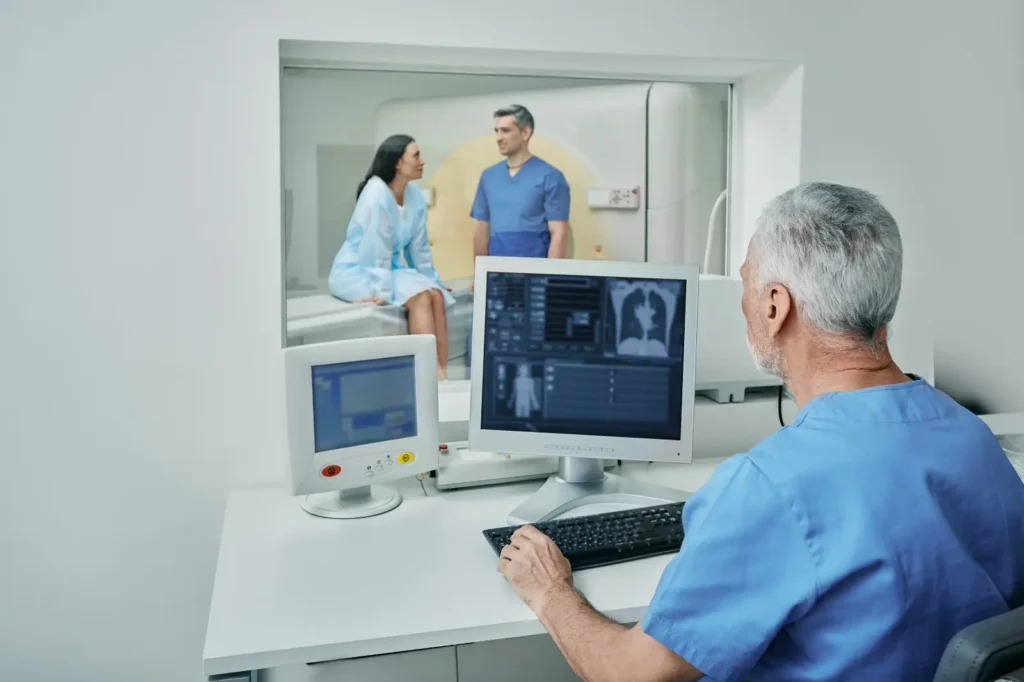
Diagnostic Imaging Technology and Modern Healthcare
Healthcare technology continues to evolve, and diagnostic imaging has improved significantly over the last few decades.
Modern imaging systems now offer:
- Higher resolution scans
- Faster image processing
- Lower radiation exposure
- Improved digital storage and analysis
These advances allow doctors to diagnose conditions more accurately and treat patients more effectively.
For clinics focused on functional health, imaging also plays an important role in identifying biomechanical issues that affect movement and posture.
FAQs
Advanced diagnostic imaging refers to medical technologies that create detailed images of the inside of the body. These images help doctors diagnose injuries, diseases, and structural abnormalities without surgery.
Common medical imaging tests include X rays, MRI scans, CT scans, ultrasound, and sometimes PET scans. Each imaging method provides different types of information about the body.
Doctors typically recommend diagnostic imaging when symptoms persist, when an injury occurs, or when they need a clearer view of internal organs, bones, or tissues.
Most imaging tests are considered safe. Technologies such as ultrasound and MRI do not use radiation, while CT scans and X rays use controlled levels of radiation under medical supervision.
MRI scans provide detailed images of soft tissues using magnetic fields, while CT scans use X rays to create cross sectional images and are better for examining bones and internal injuries.
Conclusion
Understanding what is advanced diagnostic imaging helps patients appreciate the role modern technology plays in healthcare. These imaging tools allow doctors to identify injuries, detect diseases early, and create personalized treatment plans that address the root cause of a problem.
From X rays to MRI scans and CT imaging, diagnostic technology has transformed how healthcare professionals evaluate and treat medical conditions.
At Lex 4 Health, our mission is to help individuals restore movement, function, and long term wellness through science based care. When imaging is necessary, working with a trusted imaging center chicago ensures accurate diagnosis and better treatment outcomes.
If you are experiencing persistent pain, limited mobility, or unexplained symptoms, seeking professional evaluation is the first step toward recovery and better health.
Each of our team member brings specialized expertise and a patient-centered approach to ensure you receive the highest level of care.