

To relieve pain after a chiropractic adjustment, focus on gentle recovery steps like light movement, staying hydrated, getting enough rest, and using ice or heat based on the type of soreness you feel. Mild soreness or stiffness after an adjustment is common and usually improves within 24 to 48 hours.
Many people expect to feel immediate relief after a chiropractic adjustment, so noticing soreness afterward can feel unexpected. However, temporary discomfort does not always mean something went wrong. Your muscles, joints, and surrounding tissues may need time to adapt to changes in movement.
Simple steps like taking a short walk, maintaining normal daily activities, avoiding strenuous exercise, and paying attention to your body’s response can help you feel more comfortable during recovery.
This guide explains why soreness can happen after an adjustment, what you can do to relieve discomfort, how long it typically lasts, and when you should contact a chiropractor if symptoms continue.
- Mild soreness, stiffness, or fatigue after a chiropractic adjustment can be a normal temporary response.
- Gentle movement, light walking, hydration, and proper rest may help support a more comfortable recovery.
- Ice may be helpful for localized tenderness, while heat may feel better for muscle tightness and stiffness.
- Avoid strenuous exercise, heavy lifting, and aggressive self-adjustment immediately after treatment.
- Soreness should generally improve over time, but worsening or unusual symptoms should be discussed with a chiropractor.
Is Pain After a Chiropractic Adjustment Normal?
Yes, mild soreness after a chiropractic adjustment is common and usually temporary.
Everyone responds differently after an adjustment. Some people feel immediate relief, while others notice mild soreness, stiffness, or fatigue for a short period afterward.
This discomfort is often compared to the feeling some people experience after using muscles in a new way. Your body may be responding to changes in movement, muscle activity, and how certain areas are being used.
Temporary soreness does not automatically mean something went wrong. However, the way each person responds can vary depending on factors such as activity level, muscle tension, and the areas addressed during the adjustment.
Understanding common reactions after a chiropractic adjustment can help you know what may be expected after treatment.
What Does Normal Soreness Feel Like After an Adjustment?
Normal post-adjustment soreness may include:
- Mild muscle tenderness
- Temporary stiffness
- A feeling of fatigue
- Slight discomfort when moving certain areas
- Feeling different as your body adapts to movement changes
This type of soreness usually improves gradually rather than becoming stronger over time.
If discomfort continues increasing, feels unusual, or does not begin improving after several days, it may be worth contacting your chiropractor for guidance.
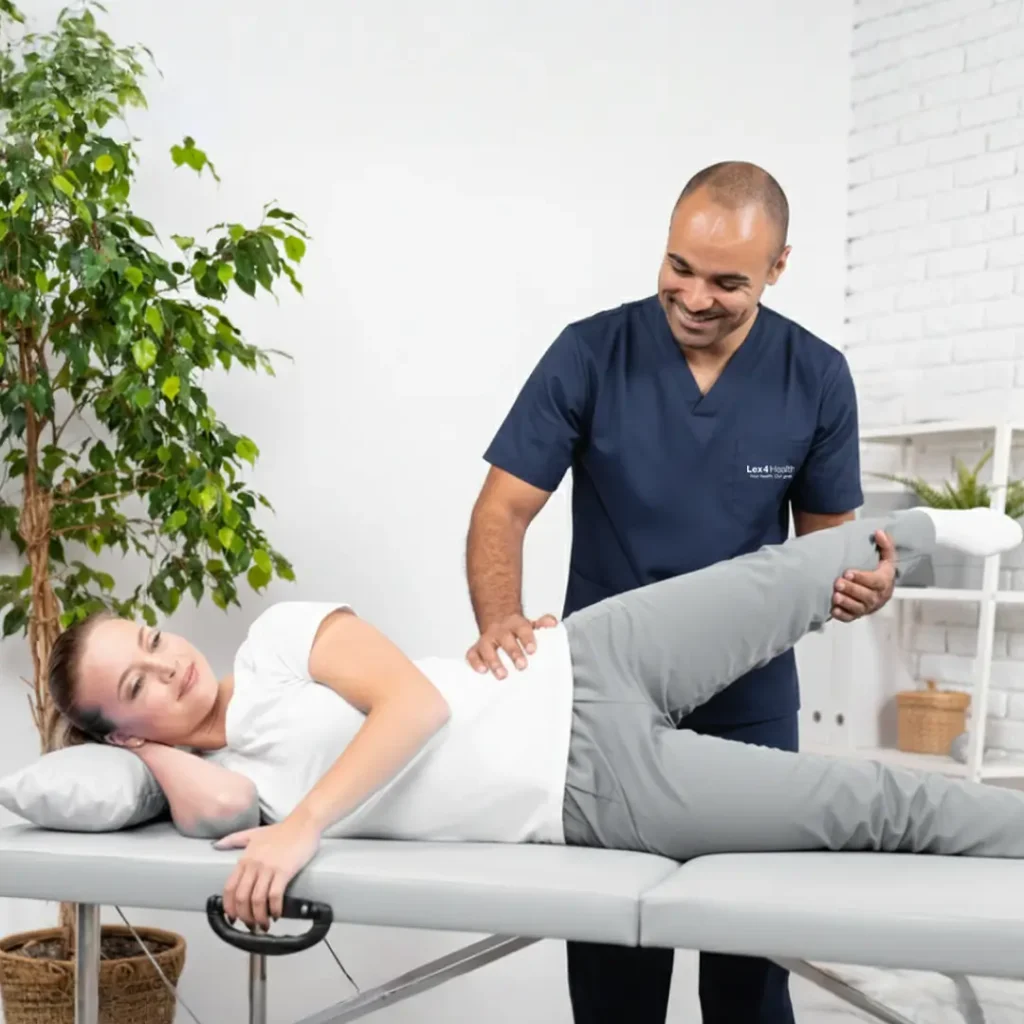
Why Do You Feel Sore After a Chiropractic Adjustment?
Soreness after an adjustment usually happens because muscles, joints, and surrounding tissues are adapting to changes in movement.
A chiropractic adjustment can affect how certain joints move and how surrounding muscles respond. When your body experiences a change in movement patterns, some areas may temporarily feel different while they adapt.
Changes in Movement Patterns
Your body develops movement habits over time. When certain areas have limited movement, surrounding muscles may compensate by working differently.
After an adjustment, changes in movement may cause some muscles and tissues to respond temporarily. This can create feelings of stiffness or soreness as your body adapts.
Muscles Adjusting to a Different Range of Motion
When joints move differently than before, nearby muscles may need time to adjust.
Muscles that were previously tense or less active may experience temporary soreness as they respond to a new pattern of movement.
This does not necessarily mean damage has occurred. In many cases, it is simply your body adapting to a change.
Individual Factors That Affect Soreness
The amount of soreness someone feels can vary from person to person.
Factors that may influence your response include:
- Your activity level before and after treatment
- Muscle tension in the treated areas
- How your body responds to changes in movement
- The areas addressed during the adjustment
Understanding what a chiropractic adjustment involves can provide more context about why your body may feel different afterward.
How Can You Relieve Pain After a Chiropractic Adjustment?
You can relieve pain after a chiropractic adjustment by using gentle movement, staying hydrated, resting properly, and choosing ice or heat based on the type of soreness you experience.
Stay Active With Gentle Movement
- Light activity like walking may help ease stiffness and keep your body moving after treatment.
- Avoid intense exercise, heavy lifting, or high-impact workouts immediately after an adjustment.
Stay Hydrated
- Drinking water regularly supports normal hydration and helps your body function properly during recovery.
Try Gentle Stretching
- Light stretching may help reduce muscle tension.
- Avoid aggressive stretching or movements that increase discomfort
Prioritize Sleep and Recovery
- Your body needs time to adapt after an adjustment.
- Maintain your normal sleep routine and avoid unusually strenuous activity.
Maintain Good Posture
- Avoid staying in one position for long periods.
- Taking short breaks while sitting can help reduce stiffness.
Avoid Overworking the Treated Area
- Give your body time to adjust before returning to heavy lifting or intense workouts.
Follow Your Chiropractor's Guidance
- Your chiropractor can provide recommendations based on your specific situation and response.
Should You Use Ice or Heat After a Chiropractic Adjustment?
- Whether you should use ice or heat after a chiropractic adjustment depends on the type of soreness you are experiencing.
When Ice May Help After a Chiropractic Adjustment
- Tender areas
- Early soreness
- Localized discomfort
Cold therapy may help calm temporary irritation for some people.
When Heat May Help After a Chiropractic Adjustment
- Muscle tightness
- General stiffness
- Tension after the initial soreness settles
Warmth may help relax tight muscles and improve comfort.
Can You Alternate Ice and Heat?
Some people find alternating ice and heat comfortable, but there is no single approach that works for everyone. If you are unsure which option fits your symptoms, consult your chiropractor.
What Should You Avoid After a Chiropractic Adjustment?
After a chiropractic adjustment, avoid activities that may increase discomfort or place unnecessary stress on your body.
Helpful precautions include:
- Avoid strenuous exercise and heavy lifting immediately after treatment.
- Avoid aggressive self-adjustment or trying to forcefully crack joints yourself.
- Avoid prolonged inactivity because it may increase stiffness.
Avoid ignoring symptoms that continue getting worse. Understanding chiropractic adjustment safety can help you learn more about factors to consider before and after treatment.
What Should You Avoid After a Chiropractic Adjustment?
For many people, mild soreness improves within 24 to 48 hours. According to NCCIH, side effects from spinal manipulation are generally mild and temporary.
How long soreness lasts can vary based on factors such as treated areas, activity level, and individual response.
What Happens During the First Few Days?
After an adjustment, some people notice soreness within the first several hours. This discomfort often improves gradually as the body adapts.
During this time, maintaining gentle movement, staying hydrated, and avoiding excessive strain may help support comfort.
Is it normal to be sore 3 days after an adjustment?
Yes, some people may still experience soreness three days after an adjustment.
However, soreness should generally improve over time. If discomfort becomes stronger, feels unusual, or does not begin improving, contact your chiropractor.
When Should You Contact a Chiropractor After an Adjustment?
You should contact a chiropractor if your pain becomes worse, feels unusual, or does not begin improving after several days.
Signs Your Symptoms Need Additional Attention
Reach out if you notice:
- Pain that gets worse instead of better
- Symptoms that feel different from normal soreness
- Discomfort that does not improve over time
If your symptoms continue or worsen, knowing the warning signs after a chiropractic adjustment can help you decide when to contact your chiropractor. If you’re looking for personalized chiropractic care in Chicago, IL , you can schedule an appointment to discuss your symptoms and recovery.
Frequently Asked Questions
Yes. Mild temporary soreness is a common response, though responses vary.
Many people notice improvement within 24 to 48 hours.
Light walking may help ease stiffness, while intense exercise should usually be avoided right away.
It depends on whether soreness feels more like tenderness or tightness.
Extended rest is usually not needed. Avoid strenuous activity and continue gentle movement.
Some people notice increased soreness. If symptoms worsen or feel unusual, contact your chiropractor.
No special amount is required. Maintain normal healthy hydration.
A heating pad may feel comfortable if soreness feels more like muscle tightness or stiffness. If the area feels tender or irritated, some people may prefer cold therapy instead.
Each of our team member brings specialized expertise and a patient-centered approach to ensure you receive the highest level of care.