

If you’re considering chiropractic care, one of the first questions you may have is whether chiropractic adjustments are safe.
Short answer: for most healthy adults, chiropractic adjustments are generally considered a low-risk, non-invasive option. Safety isn’t a simple yes-or-no, though. It depends on your health history, the technique used, and how thoroughly you’re evaluated before treatment starts.
This article won’t try to talk you into or out of anything. It’s here to give you a clear, honest picture so you can decide what makes sense for you.
Key Takeaways
- Chiropractic adjustments are generally considered low-risk for many patients when performed by a licensed professional who evaluates them first.
- Like any healthcare treatment, adjustments carry some degree of risk, and that risk level is different for every patient.
- Mild, short-term reactions such as soreness or stiffness are common, while more serious complications are uncommon but documented in medical research.
- Chiropractic care isn’t automatically appropriate for every person, which is why individual evaluation matters more than general assumptions.
- Chiropractors work to reduce risk through patient assessment, technique selection, and ongoing monitoring during treatment.
Are Chiropractic Adjustments Safe?
Yes, for most patients, when the treatment is delivered by a licensed chiropractor who evaluates them first.
Chiropractic adjustment is one part of chiropractic care, which is provided by trained professionals who evaluate and address musculoskeletal concerns. Understanding what a chiropractor does and how chiropractic care works can help patients better understand the role of professional evaluation and treatment decisions.
A few factors consistently shape how safe an adjustment actually is:
- Practitioner training: Licensed chiropractors complete years of accredited education focused on musculoskeletal assessment and manual therapy before they treat patients independently.
- Technique selection: Different adjustment methods carry different considerations, so the right approach for one patient’s lower back may not suit someone else’s neck.
- Patient assessment: Safety decisions typically begin before any hands-on treatment, based on a review of health history, current symptoms, and any relevant risk factors.
The reasoning behind these safety factors becomes clearer when you understand what a chiropractic adjustment actually involves and how the process works, since evaluation and technique selection are built into that process from the start.
When adjustment is delivered thoughtfully and matched to the individual patient, it’s generally considered a reasonable option for common musculoskeletal complaints. That doesn’t mean it’s without any risk, which the next section addresses directly.
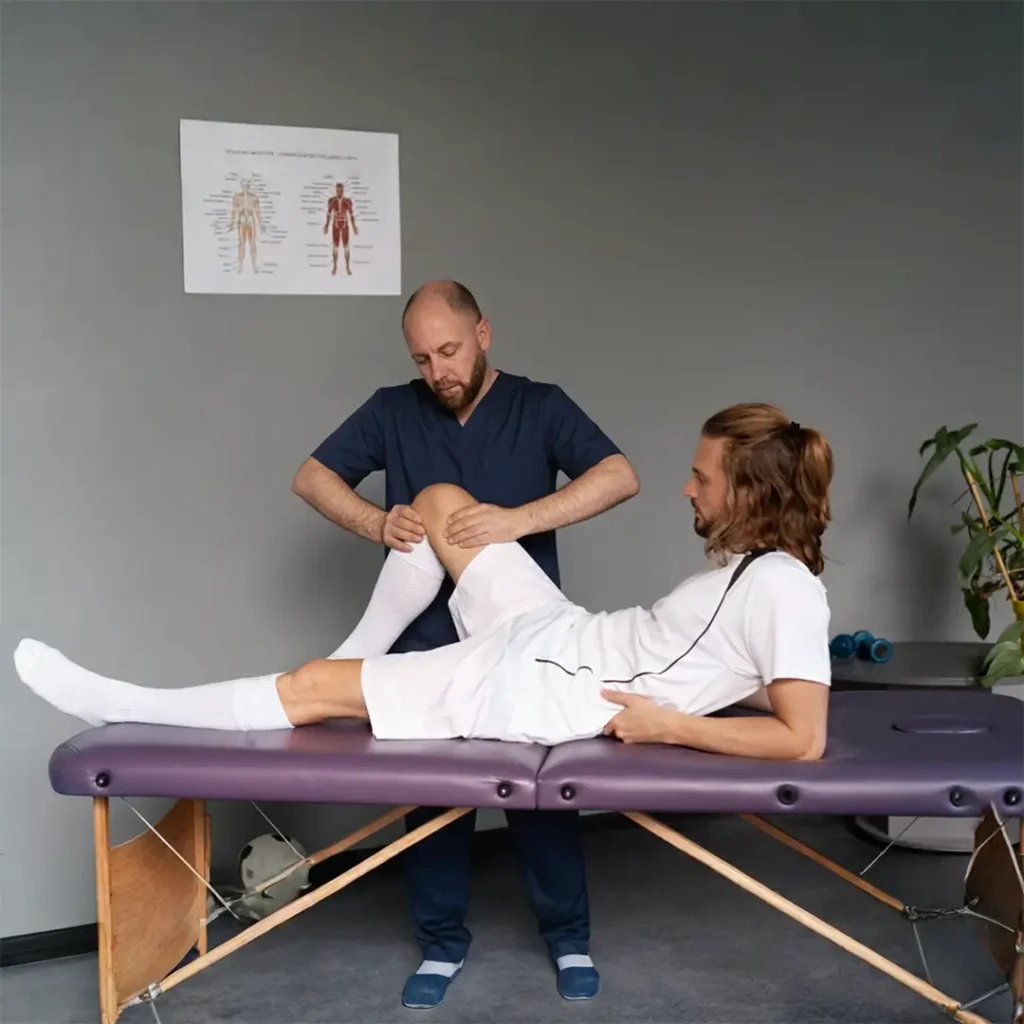
What Are the Risks Associated With Chiropractic Adjustments?
Yes, there are risks, though they’re not unique to chiropractic care. Most hands-on healthcare treatments carry some degree of risk, whether that’s physical therapy, an injection, or certain over-the-counter medications.
The more useful question isn’t whether risk exists. It’s how likely that risk is for a given patient.
For most people, any reaction to an adjustment is mild and temporary. Less commonly, more serious complications have been documented in medical literature. A systematic review of adverse effects of spinal manipulation reviewed reported adverse events following spinal manipulation, including rare cases involving vertebral artery dissection, a condition where a blood vessel in the neck is damaged, and noted that the true incidence of such events remains difficult to determine from available data.
Risk also depends on individual factors:
- Personal health factors: Existing health concerns or medical history may affect whether a specific approach is appropriate.
- Current circumstances: Recent changes in health or symptoms may influence treatment decisions.
This variability is exactly why a proper evaluation, rather than a one-size-fits-all approach, is central to safe chiropractic care.
Temporary Reactions Some Patients May Notice After an Adjustment
Yes, and for most patients, this is a normal and short-lived part of treatment.
Commonly reported reactions include:
- Mild soreness: Similar to the feeling after trying a new form of exercise.
- Temporary stiffness: A short-lived sensation that most patients describe as manageable.
- Short-term discomfort: Generally described as mild rather than severe.
These temporary reactions are explained in more detail in our article on chiropractic adjustment side effects.
Are Chiropractic Adjustments Safe for Everyone?
No, not automatically. Chiropractic adjustment isn’t a universal fit for every person or every condition.
What’s appropriate for one patient may not be right for another, depending on factors such as:
- Existing health conditions: Certain diagnoses may call for modified techniques or additional caution.
- Current medications: Some medications can affect how a chiropractor approaches treatment.
- Prior injuries or surgeries: Past trauma to the spine or neck is relevant information a chiropractor needs before proceeding.
- The specific reason for seeking care: Symptoms with an unclear or serious underlying cause may need to be evaluated by a physician first.
A friend’s positive experience or a general online search shouldn’t take the place of an individual evaluation, since medical history and risk factors vary from person to person. A responsible chiropractor doesn’t assume every patient fits the same treatment plan. Instead, safety comes from a direct conversation about health history and current symptoms, so that whatever technique is used actually fits the patient in front of them.
How Do Chiropractors Help Make Adjustments Safer?
Safety in chiropractic care isn’t something that happens automatically. It’s built into how a qualified chiropractor approaches each stage of treatment.
Evaluating Patients Before Chiropractic Adjustment
Before any hands-on treatment begins, a chiropractor typically reviews:
- Health history: Previous conditions, injuries, and any relevant medical background that could affect treatment decisions.
- Current symptoms: What the patient is experiencing and hoping to address through care.
- Personal concerns: Any questions or factors, such as anxiety about manipulation, that may influence how treatment is approached.
This evaluation is the foundation that safety decisions are built on, not a formality to move past quickly.
Choosing Appropriate Adjustment Techniques
Patients don’t all respond the same way to the same technique. A safety-focused chiropractor factors in:
- Age: Older patients may benefit from gentler techniques suited to their needs.
- Condition severity: More acute or complex issues may call for a more conservative initial approach.
- Comfort level: A patient’s tolerance and preferences are part of choosing an appropriate method, not an afterthought.
Personalizing technique selection is one of the primary ways risk is managed during treatment, rather than an optional add-on to a standard process.
Monitoring Patient Response During Care
Safety doesn’t end once the first adjustment is made. Throughout a visit, a chiropractor should be:
- Checking in verbally: Asking how the patient is responding rather than assuming the plan is working as expected.
- Adjusting pressure or technique: Modifying the approach in real time based on patient feedback.
- Addressing discomfort promptly: Responding to any unexpected reactions before continuing treatment.
This ongoing communication is what keeps care appropriate for the patient throughout a session, not only during the initial evaluation.
Are Chiropractic Adjustments Safe Over Time?
Safety should continue to be evaluated throughout care, not only before the first adjustment.
A patient’s needs can change over time, which is why responsible chiropractic care involves ongoing communication and reassessment rather than a fixed plan set at the first visit.
A treatment approach that is appropriate at one stage may need to be adjusted later based on symptoms, goals, and how a patient responds to care.
How Does Lex 4 Health Approach Chiropractic Adjustment Safety?
At Lex 4 Health, patient safety is treated as a priority rather than an afterthought.
We believe patients make better decisions when they have accurate, honest information rather than reassurance alone. That means being transparent about what chiropractic adjustment can and cannot do, discussing risk in a balanced way rather than minimizing it, and recognizing that not every patient or condition is the same.
Our goal isn’t to convince every reader that chiropractic care is the right choice for them. It’s to support informed decision-making, so patients can weigh their own health history and circumstances when deciding whether chiropractic care is a reasonable option to explore.
If you have questions about your specific situation, that conversation is best had directly with a licensed chiropractor in chicago who can address your individual circumstances.
Each of our team member brings specialized expertise and a patient-centered approach to ensure you receive the highest level of care.