
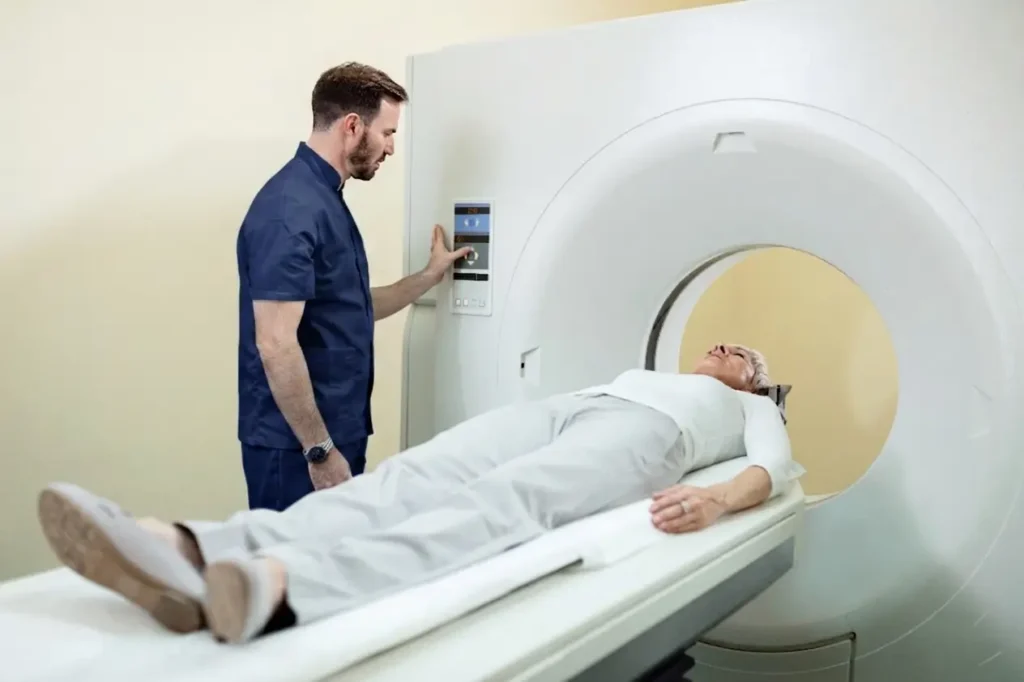
When pain, injury, or unexplained symptoms show up, imaging tests can help uncover the cause. But many patients ask the same thing: Do I need an MRI, CT scan, or X-ray? The truth is, each test serves a different purpose. Choosing the right one depends on your symptoms, health history, and the level of detail needed.
At Lex 4 Health, we believe better decisions start with better information. If you’re comparing options or searching for trusted chicago imaging centers, this guide explains how these scans work, what they show best, and why the right choice matters for fast, accurate care.
Key Takeaways
- X-rays are often the first choice for fractures, arthritis, and basic bone injuries.
- CT scans are fast, detailed, and commonly used in emergencies.
- MRIs provide the best soft tissue detail for discs, nerves, muscles, ligaments, and the brain.
- Diagnostic imaging accuracy depends on matching the right test to the right condition.
- No scan is “best” for everything. Doctors choose based on symptoms and clinical need.
- Imaging is powerful, but there are still limitations of diagnostic imaging that patients should understand.
Understanding the Difference Between MRI, CT Scan, and X-Ray
All three tools allow healthcare providers to look inside the body without surgery. But they use different technology and answer different clinical questions.
What Is an X-Ray?
An X-ray uses a small amount of radiation to capture a quick image of dense structures, mainly bones.
Best for:
- Broken bones
- Joint alignment issues
- Arthritis changes
- Chest infections
- Dental concerns
X-rays are quick, affordable, and widely available. In many injury cases, they’re the first step.
What Is a CT Scan
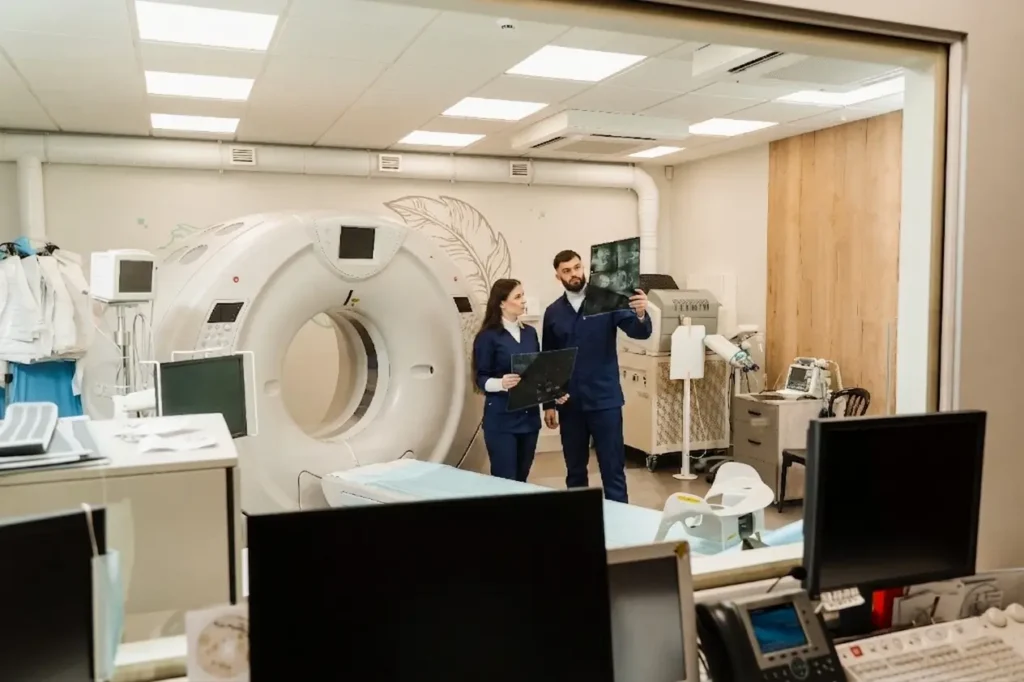
A CT scan (computed tomography) uses multiple X-ray images combined by a computer to create cross-sectional views of the body.
Best for:
- Head injuries
- Internal bleeding
- Complex fractures
- Organ damage
- Kidney stones
- Emergency trauma cases
The CT scan accuracy rate is often very high when speed and internal detail are needed, especially in urgent care or hospital settings.
What Is an MRI?
MRI stands for magnetic resonance imaging. It uses magnets and radio waves, not radiation, to create highly detailed images.
Best for:
- Herniated discs
- Torn ligaments
- Muscle injuries
- Brain conditions
- Nerve compression
- Joint cartilage damage
If you’ve wondered how accurate are MRI results, the answer is often “very accurate,” especially for soft tissue conditions that don’t show clearly on X-ray or CT.
Diagnostic Imaging Accuracy: Which Test Is Most Reliable?
Here’s the honest answer: accuracy depends on what doctors are looking for.
A broken wrist? X-ray may be enough.
A torn ACL? MRI is usually better.
Internal bleeding after a crash? CT is often the fastest and most effective option.
General Comparison
| Imaging Test | Best For | Speed | Radiation | Detail Level |
|---|---|---|---|---|
| X-Ray | Bones, fractures | Very Fast | Low | Basic |
| CT Scan | Trauma, organs, complex fractures | Fast | Moderate | High |
| MRI | Soft tissue, nerves, spine | Slower | None | Very High |
That means diagnostic imaging accuracy improves when the scan matches the suspected problem.
How Accurate Are MRI Results?
MRI is one of the most precise imaging tools for soft tissue and neurological structures.
MRI is especially useful for:
- Meniscus tears
- Rotator cuff injuries
- Disc bulges
- Spinal stenosis
- Brain lesions
- Tendon damage
However, MRI results still depend on:
- Image quality
- Technician skill
- Radiologist interpretation
- Patient movement during the scan
- Whether contrast dye is used
So yes, MRI can be highly accurate, but context matters.
CT Scan Accuracy Rate: When Speed Matters Most
CT scans are widely trusted because they’re fast and detailed. In emergency settings, minutes matter, and CT often becomes the first choice.
CT scans excel at finding:
- Brain bleeding after head trauma
- Lung problems
- Abdominal injuries
- Complex fractures
- Tumors and masses
The CT scan accuracy rate is excellent for many urgent medical issues, especially when compared to waiting for a longer MRI.
Limitations of Diagnostic Imaging
Even advanced scans are not perfect. That’s why imaging should always be combined with an exam, history, and clinical judgment.
Common Injuries That Need a CT Scan
1. False Positives
Scans sometimes detect abnormalities that are not causing symptoms.
2. False Negatives
Small tears, early inflammation, or subtle dysfunction may be missed.
3. Structural vs Functional Problems
A scan may look normal even when pain exists. Muscle imbalance, movement dysfunction, and nerve irritation may not always appear clearly.
4. Incidental Findings
Sometimes scans reveal unrelated issues that create unnecessary worry.
This is why providers should interpret images in the full context of your health, not in isolation.
Why Chiropractic Providers Often Review Imaging Carefully
At Lex 4 Health, imaging is one piece of the puzzle, not the whole puzzle.
For patients with neck pain, back pain, joint dysfunction, or post injury discomfort, we assess:
- Range of motion
- Posture
- Movement quality
- Nerve signs
- Strength and stability
- Prior imaging reports
Sometimes a scan is necessary. Sometimes it’s not. Our goal is to recommend the most efficient path toward answers and recovery.
When You May Need Each Test
You May Need an X-Ray If:
- You fell recently
- You suspect a fracture
- You have chronic joint pain
- You need quick screening
You May Need a CT Scan If:
- You experienced trauma
- You have severe abdominal pain
- You need emergency evaluation
- Your provider suspects internal injury
You May Need an MRI If:
- Pain has lasted weeks or months
- You have numbness or tingling
- You suspect ligament or disc injury
- Prior tests were inconclusive
FAQs
Not always. MRI is better for soft tissue. CT is often better for emergencies, lungs, bone detail, and rapid diagnosis.
MRI is highly accurate for many musculoskeletal and neurological issues, especially soft tissue injuries, but interpretation still matters.
CT scans are very reliable for trauma, bleeding, organ injury, and many acute conditions. Accuracy depends on body area and reason for testing.
Scans can miss subtle issues, show unrelated findings, or fail to explain pain caused by movement dysfunction.
Yes, when clinically appropriate. Imaging may help rule out serious pathology, fractures, degeneration, or structural concerns.
Conclusion
MRI, CT scan, and X-ray each play an important role in modern healthcare. The smartest choice is not the most expensive or most advanced test, it’s the one that best answers the clinical question.
Understanding diagnostic imaging accuracy, how accurate are MRI results, the CT scan accuracy rate, and the limitations of diagnostic imaging can help you make informed decisions.
If you’re dealing with pain, stiffness, injury, or unresolved symptoms, Lex 4 Health can help guide your next steps. Whether you need movement based care, a second opinion, or referrals to trusted chicago imaging centers, our team is here to help you move better and feel better.
Each of our team member brings specialized expertise and a patient-centered approach to ensure you receive the highest level of care.