
What Is Crepitus
Crepitus is a term used to describe popping, cracking, grinding, or crunching sounds that occur when joints move. Many people notice it in the knees, neck, shoulders, or spine during daily movement. While crepitus is often harmless, it can sometimes point to joint changes that need attention. At Lex 4 Health, patients looking for the best chiropractic in chicago often ask whether these sounds are normal or a sign of something deeper.
Understanding what crepitus means, why it happens, and when care is needed helps you make informed decisions about joint health and long term mobility.
Key Takeaways
- Crepitus refers to joint noises like popping, cracking, or grinding
- It can occur without pain or alongside stiffness and discomfort
- Common areas include the knee and neck
- Crepitus may be harmless or linked to joint wear or alignment issues
- Chiropractic care can help when crepitus affects movement or comfort
What Is Crepitus and Why Does It Happen
Crepitus happens when joint surfaces, soft tissues, or fluids interact during movement. In many cases, the sound comes from gas bubbles in the joint fluid releasing pressure. In others, it may involve tendons shifting over bone or subtle changes in joint mechanics.
Common reasons crepitus occurs include:
- Normal joint movement and aging
- Reduced joint lubrication
- Changes in cartilage surface texture
- Muscle tightness affecting joint motion
Not all crepitus is a problem, but repeated sounds combined with discomfort should not be ignored.
What is crepitus a sign of?
People often ask what is crepitus a sign of, especially when the sound becomes frequent. In many cases, it reflects normal joint mechanics. However, crepitus may also be associated with underlying joint conditions.
Crepitus can be a sign of:
- Early cartilage wear
- Joint inflammation
- Repetitive stress on a joint
- Altered movement patterns
When crepitus is paired with pain, swelling, or limited motion, it may signal that the joint is not moving as efficiently as it should.
What Is the Cause of Crepitus
Common causes include:
- Air bubbles releasing in joint fluid
- Tendons or ligaments moving over bone
- Cartilage thinning or surface irregularities
- Muscle imbalance affecting joint tracking
What Is Crepitus in the Knee
What is crepitus in the knee is one of the most common questions patients ask. Knee crepitus often appears during squatting, climbing stairs, or standing up after sitting.
Knee crepitus may occur due to:
- Normal joint aging
- Changes in cartilage smoothness
- Repetitive loading from daily activity
- Movement imbalances affecting the knee joint
If knee crepitus comes with pain or instability, it may indicate stress on the joint that should be evaluated to prevent future issues.
What Is Crepitus in the Neck
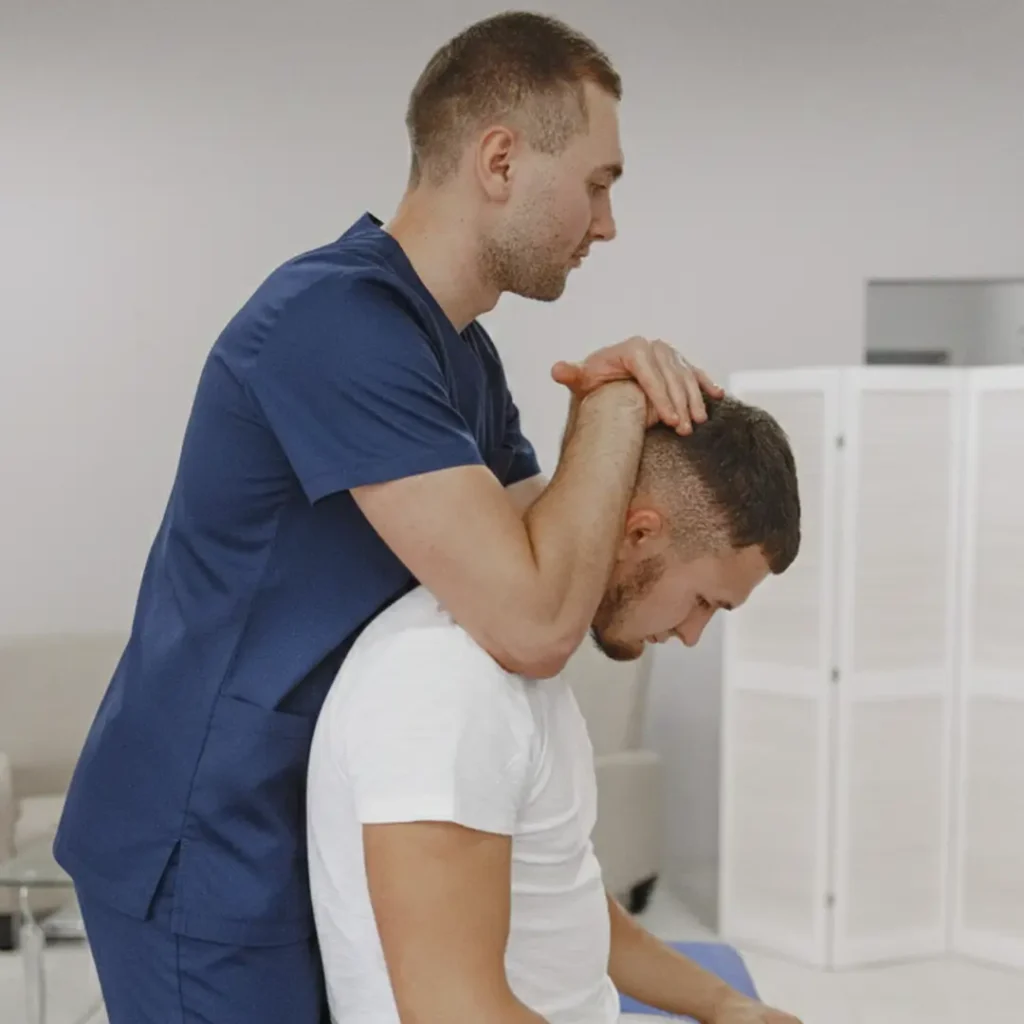
What is crepitus in the neck usually refers to popping or grinding sounds when turning or tilting the head. This is often related to joint motion in the cervical spine.
Neck crepitus can be influenced by:
- Joint stiffness
- Muscle tension
- Reduced spinal mobility
- Postural strain from daily habits
Occasional neck crepitus without pain is usually not concerning. Persistent sounds with stiffness or discomfort may suggest reduced joint efficiency.
How Chiropractic Care Supports Joint Health
Chiropractic care focuses on movement quality, joint alignment, and functional balance. When crepitus is related to joint mechanics rather than structural damage, chiropractic care may help restore smoother motion.
Care may support:
- Improved joint mobility
- Better muscle coordination
- Reduced joint stress during movement
- Long term functional stability
The goal is not just quieter joints, but better movement and confidence in daily activity.
FAQs
No. Crepitus without pain is often normal and harmless.
In many cases, yes, especially when movement patterns improve.
Yes. Knee crepitus is very common and often related to daily movement stress.
Not always. Many cases are linked to posture and joint mobility, not arthritis.
If crepitus is painful, frequent, or limits movement, an evaluation is recommended.
Conclusion
Crepitus is a common joint experience that ranges from completely normal to a sign of movement imbalance. Understanding what crepitus is, what causes it, and when it matters helps you protect your joint health. When crepitus affects comfort or function, professional guidance can make a real difference.
At Lex 4 Health, we help patients address joint concerns with a focus on movement, alignment, and long term wellness. If joint sounds are holding you back, expert care may help restore confidence and mobility.
Related: When To See A Chiropractor
Each of our team member brings specialized expertise and a patient-centered approach to ensure you receive the highest level of care.