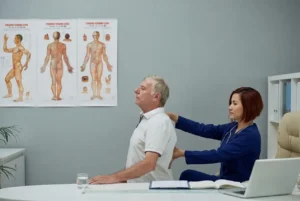

If you’ve ever watched a chiropractic adjustment or heard that familiar popping sound, you’ve probably wondered how chiropractors know exactly where to work. It can look effortless from the outside, but there’s a lot going on behind the scenes. Patients searching for trusted chiropractic chicago care often ask this same question, how do chiropractors know where to crack, and is it really that precise?
The answer is reassuring. Chiropractic adjustments are not random, rushed, or based on guesswork. They’re grounded in anatomy, movement science, hands-on assessment, and years of clinical training. Let’s break it all down in a clear and practical way.
Key Takeaways
- Chiropractors do not adjust randomly, every movement is intentional.
- Assessment includes posture, movement, touch, and patient feedback.
- Adjustments target restricted or misaligned joints, not areas that feel fine.
- Chiropractic adjustments work by restoring motion and reducing joint stress.
- Skill, experience, and individualized care guide every adjustment.
How Do Chiropractors Know Where to Adjust?
Chiropractors rely on a combination of education, observation, and hands-on testing to find problem areas. The goal is to identify joints that aren’t moving properly or tissues that are under stress, not just areas where pain shows up.
Pain can travel. A stiff joint in one area may cause discomfort somewhere else. That’s why chiropractors look at the body as a connected system rather than chasing symptoms alone.
The Chiropractic Assessment Process Explained
Visual Posture and Movement Analysis
Before any adjustment, chiropractors observe how you stand, walk, bend, and move. Subtle shifts in posture or limited range of motion can reveal where joints are restricted or compensating.
These visual clues help narrow down areas that need closer attention.
Palpation, or Skilled Hands On Evaluation
Using trained hands, chiropractors feel along the spine and joints to assess movement, alignment, muscle tension, and joint response. Restricted joints often feel different than healthy ones, even if they’re not painful yet.
This step plays a major role in how chiropractors know where to adjust.
Range of Motion and Functional Testing
Chiropractors guide joints through specific movements to see how they respond. Limited motion, stiffness, or discomfort during testing helps pinpoint problem areas. Patient feedback matters here. What you feel during these tests helps shape the treatment plan.
How Do Chiropractic Adjustments Work?
Chiropractic adjustments are designed to restore normal joint motion. When a joint isn’t moving well, nearby muscles tighten, nerves become irritated, and movement patterns break down.
An adjustment applies a controlled, precise force to a specific joint. This helps improve mobility, reduce joint stress, and support proper nerve communication. The popping sound some people hear is simply gas releasing from the joint, not bones cracking or grinding.

Why Chiropractors Don’t Just Adjust Where It Hurts
Pain doesn’t always come from the source of the problem. For example, lower back pain might stem from stiff hips, or neck pain might be linked to poor shoulder movement.
Chiropractors adjust based on function, not just discomfort. That’s why treatment often feels thoughtful and targeted rather than aggressive or random.
Experience and Technique Matter
Not all adjustments feel the same, because not all bodies move the same way. Chiropractors choose techniques based on age, condition, comfort level, and medical history.
Some patients benefit from gentle, low-force techniques. Others respond well to traditional manual adjustments. Knowing when and how to apply each method is part of professional chiropractic training.
What Makes Chiropractic Care at Lex 4 Health Different?
At Lex 4 Health, chiropractic care is built around precision and personalization. Each patient receives a thorough evaluation, and adjustments are selected based on how their body actually moves, not a preset routine.
The focus stays on restoring natural mechanics, improving function, and supporting long-term wellness. Communication is encouraged, so patients understand what’s happening and why each adjustment is performed.
FAQs
No. Chiropractors use assessment, testing, and training to determine exactly where adjustments are needed.
No. The sound is simply gas releasing from the joint and is not harmful.
Most adjustments are not painful. Some people feel pressure or mild soreness afterward, which usually fades quickly.
No. Chiropractors customize adjustments based on the individual’s condition, comfort, and movement patterns.
Some patients feel relief quickly, while others need multiple visits depending on their condition.
Conclusion
So, how do chiropractors know where to crack? Through training, assessment, experience, and careful attention to how your body moves and responds. Chiropractic adjustments are precise, purposeful, and tailored to each individual, not random or rushed.
If you’re looking for expert chiropractic chicago care that’s rooted in science and personalized to your needs, Lex 4 Health is here to help. Schedule a consultation today and experience chiropractic care done the right way.
Each of our team member brings specialized expertise and a patient-centered approach to ensure you receive the highest level of care.