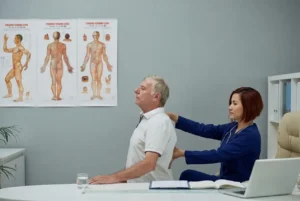

SI joint pain can stop you in your tracks. It affects how you sit, stand, walk, and even sleep. If you’re dealing with this type of lower back discomfort, it’s natural to search for Chiropractic near me and then pause, wondering if treatment could make things worse instead of better.
That concern is common, and honestly, it’s a smart question to ask. The good news is this, chiropractic care is widely used to treat SI joint pain safely and effectively when it’s done with proper evaluation and the right techniques. Let’s walk through what actually happens, what’s normal, and what you should know before starting care.
Key Takeaways
- Chiropractic care does not usually make SI joint pain worse when treatment is appropriate.
- Temporary soreness can happen, but it’s not the same as injury or damage.
- Chiropractors focus on restoring joint movement and reducing stress on the SI joint.
- Personalized care matters, especially for lower back and pelvic conditions.
- Clear communication with your chiropractor helps ensure safe and effective results.
Understanding SI Joint Pain and Why It’s So Tricky
The sacroiliac joint connects your spine to your pelvis. It plays a major role in stability and movement, especially when walking, bending, or lifting. When this joint becomes irritated or restricted, pain can show up in the lower back, hips, buttocks, or even down the leg.
SI joint pain is often caused by poor posture, uneven movement, injury, pregnancy, arthritis, or prolonged sitting. Because the joint doesn’t move much, even small dysfunctions can feel intense and stubborn.
Can a Chiropractor Make SI Joint Pain Worse?
In most cases, no. Chiropractic care is designed to reduce joint stress, improve alignment, and restore healthy movement. When a chiropractor evaluates the SI joint properly and applies the right technique, treatment typically helps relieve pain rather than worsen it.
However, every body is different. If care is rushed, poorly matched to the condition, or started without a thorough assessment, discomfort can linger or feel temporarily aggravated. That’s why experience, technique choice, and patient feedback matter so much.
Why Some People Feel More Pain After the First Visit
Normal Post-Treatment Soreness
After an adjustment, it’s normal to feel soreness for a day or two. Muscles and ligaments around the SI joint may be reacting to improved movement, similar to how your body feels after a new workout.
This soreness usually fades quickly and is not a sign that the joint was harmed.
Inflammation Was Already Present
SI joint pain often involves inflammation. When movement is restored, irritated tissues may respond before they calm down. Chiropractors account for this by adjusting force, frequency, and technique.

What Does a Chiropractor Do for Lower Back Pain Related to the SI Joint?
Careful Assessment Comes First
A chiropractor will evaluate posture, leg length, hip movement, pelvic alignment, and spinal mechanics. SI joint pain can mimic other lower back issues, so proper diagnosis is essential before treatment begins
Targeted SI Joint Adjustments
Adjustments for SI joint dysfunction are precise and controlled. The goal is to restore natural movement, not force the joint beyond its limits. Many chiropractors use low-force techniques for sensitive cases.
Supporting Therapies and Movement Guidance
Chiropractic care often includes soft tissue work, corrective exercises, and posture advice. These support the joint between visits and reduce strain during daily activities.
Should You See a Chiropractor for Low Back Pain?
Yes, many people with low back pain benefit from chiropractic care, especially when the SI joint is involved. Chiropractors address the mechanical causes of pain rather than masking symptoms.
That said, chiropractic care isn’t about pushing through pain. If something feels off, treatment should be adjusted. Open communication helps ensure care stays safe and effective.
When Chiropractic Care Needs Extra Caution
There are situations where additional medical evaluation may be needed before or alongside chiropractic care, such as:
- Severe trauma or recent accidents
- Progressive numbness or weakness
- Inflammatory or systemic conditions
- Suspected fractures or infections
A responsible chiropractor will always refer you out if something falls outside their scope.
Why Patients Trust Lex 4 Health for SI Joint and Lower Back Care
At Lex 4 Health, chiropractic care is rooted in science, movement, and individualized treatment. No two SI joint cases are the same, so care is always tailored to how your body moves and responds.
The focus is on restoring natural mechanics, improving function, and helping patients return to daily life with confidence and less pain. Comfort, communication, and long-term results come first.
FAQs
No, when performed correctly, chiropractic adjustments are designed to support joint health, not damage it.
Yes, mild soreness is common and usually temporary, especially early in care.
Some people feel relief quickly, while others need a structured care plan depending on severity and duration.
Always talk to your chiropractor. Temporary soreness is normal, but ongoing pain should be reassessed.
Yes, chiropractors also treat joints, muscles, and movement patterns that affect the lower back and pelvis.
Conclusion
So, can a chiropractor make SI joint pain worse? In most cases, no. When chiropractic care is properly matched to the condition and guided by thorough evaluation, it’s a safe and effective option for SI joint and lower back pain.
If you’re searching for chiropractic near me and want personalized, evidence-based care, Lex 4 Health is ready to help. Schedule a consultation today and take the next step toward better movement and lasting relief.
Each of our team member brings specialized expertise and a patient-centered approach to ensure you receive the highest level of care.